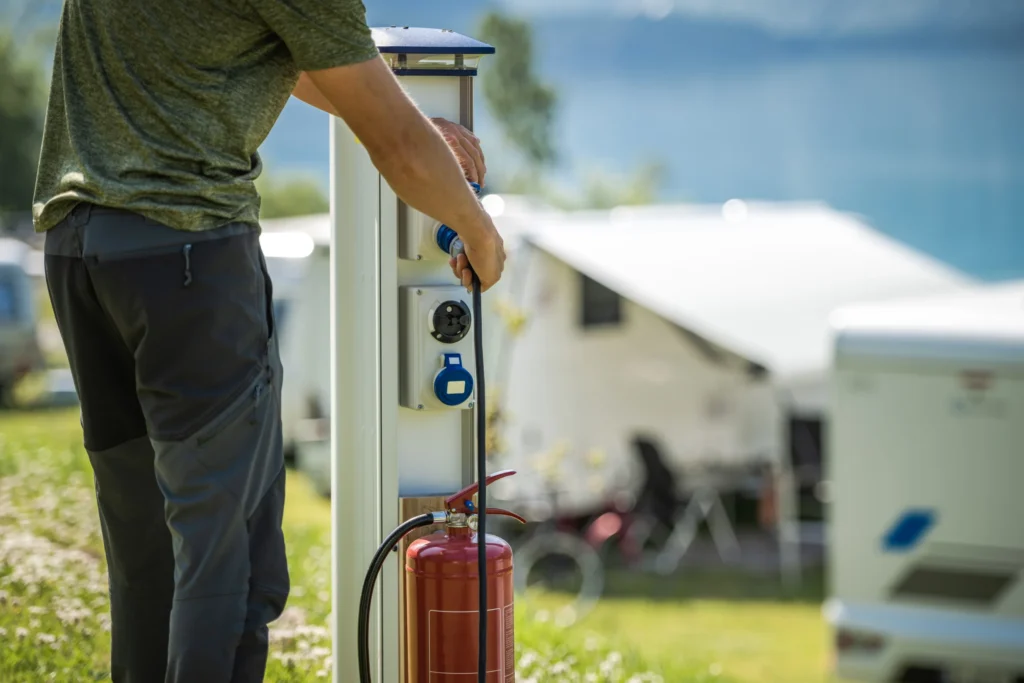
If you are booking an RV campsite, one of the first questions you may see is whether you need 30-amp or 50-amp electric service. The short answer is simple: book the service your RV is designed to use. The longer answer is worth knowing, especially if you are new to RV camping. A 30-amp and 50-amp hookup may look like a small difference on paper, but they provide very different amounts of usable power.
TL;DR
30 amp works for many RVs when you’re running one big thing at a time, such as the A/C or microwave. 50 amp is designed for larger RVs and makes it easier to run multiple high-draw appliances at once. Adapters help the plug fit—they do not give your RV more electrical capacity.
The Basic Difference
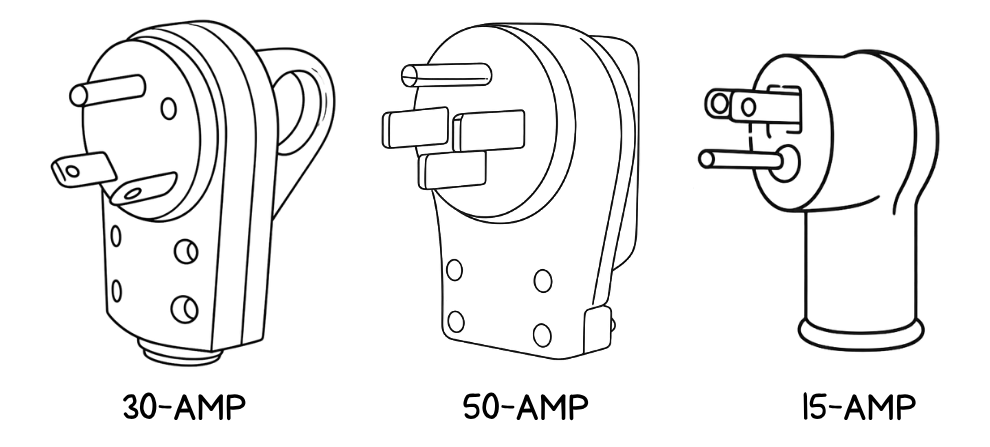
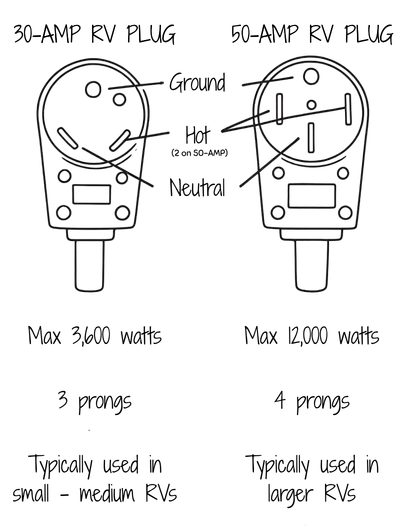
A 30-amp RV plug has three prongs: one hot wire, one neutral, and one ground. It provides up to about 3,600 watts of power. This is common for smaller and mid-size RVs, travel trailers, and some older motorhomes.
A 50-amp RV plug has four prongs: two hot wires, one neutral, and one ground. Because it uses two 120-volt power legs, it can provide up to about 12,000 watts. That is more than three times the available power of a 30-amp hookup, not just 20 amps more.
| Feature | 30-Amp Service | 50-Amp Service |
|---|---|---|
| Plug Style | 3 prongs | 4 prongs |
| Power available | Up to 3,600 watts | Up to 12,000 watts |
| Common RV fit | Smaller and mid-size RVs | Larger RVs and motorhomes |
| Typical use | One A/C plus basics | Multiple high-draw appliances |
| Power management | More important | More flexibility |
How to Know What Your RV Needs
The easiest way to tell is to look at your RV’s power cord. A 30-amp plug has three prongs. A 50-amp plug has four.
You can also check the label near the power cord, your breaker panel, or your owner’s manual. If you are unsure, confirm your RV’s electrical service before booking your campsite.

What Can You Run on 30 Amp?
With 30-amp service, you can usually run the essentials comfortably, but you may need to take turns with high-draw appliances.
A typical 30-amp setup might include:
- One air conditioner
- Refrigerator
- Interior lights
- Phone and laptop chargers
- TV
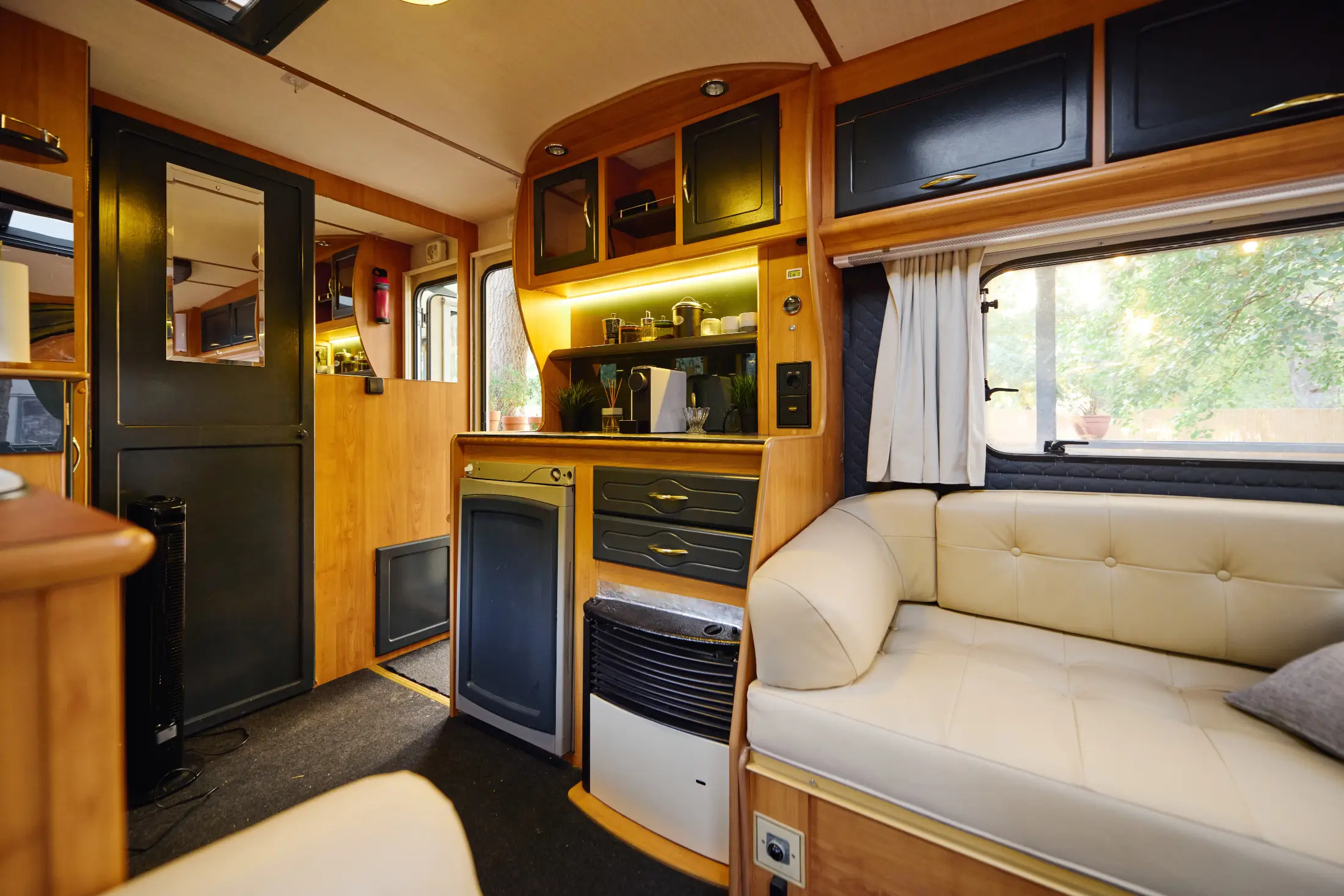
Where campers run into trouble is when several large appliances are used at once. The air conditioner, microwave, coffee maker, electric water heater, toaster, hair dryer, and space heater can all draw a lot of power.
For example, if the air conditioner is running and you turn on the microwave and coffee maker at the same time, you may trip the breaker. That does not necessarily mean anything is broken. It usually means the RV is asking for more power than the hookup can provide.
A good habit on 30 amp is to pause one large appliance before starting another. Turn off the electric water heater before using the microwave. Wait to use the hair dryer until the air conditioner has cycled off. Small choices like that can save a lot of frustration.
What Can You Run on 50 Amp?
A 50-amp hookup gives larger RVs much more breathing room. Many 50-amp RVs are designed for more appliances, more outlets, and heavier electrical demand.
A typical 50-amp setup might include:
- One or two air conditioners
- Refrigerator
- Microwave
- TV and entertainment devices
- Lights and chargers
- Coffee maker
- Electric water heater
That extra capacity is especially helpful in hot weather, when air conditioning use is high. It also matters for larger RVs with residential-style refrigerators, washer/dryer units, electric fireplaces, or more built-in appliances.
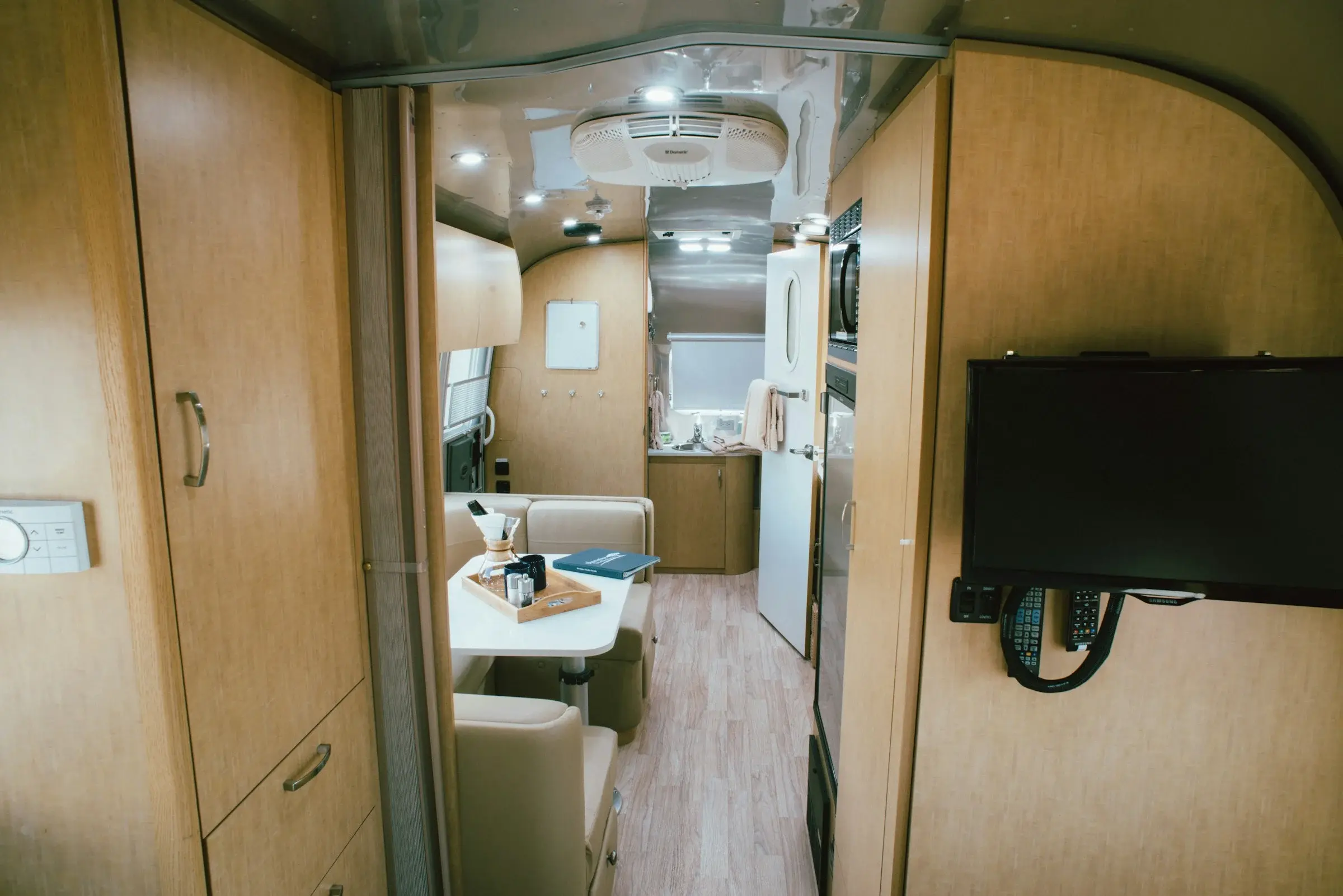
Photo by Blake Wisz on Unsplash
Still, 50 amp does not mean unlimited power. Large appliances can still add up, and individual circuits inside the RV still have their own limits.
Can You Use an Adapter?
Yes, RV adapters can help when the campsite outlet does not match your RV plug, but they do not increase your RV’s power capacity. These are often called dogbone adapters because of their shape.
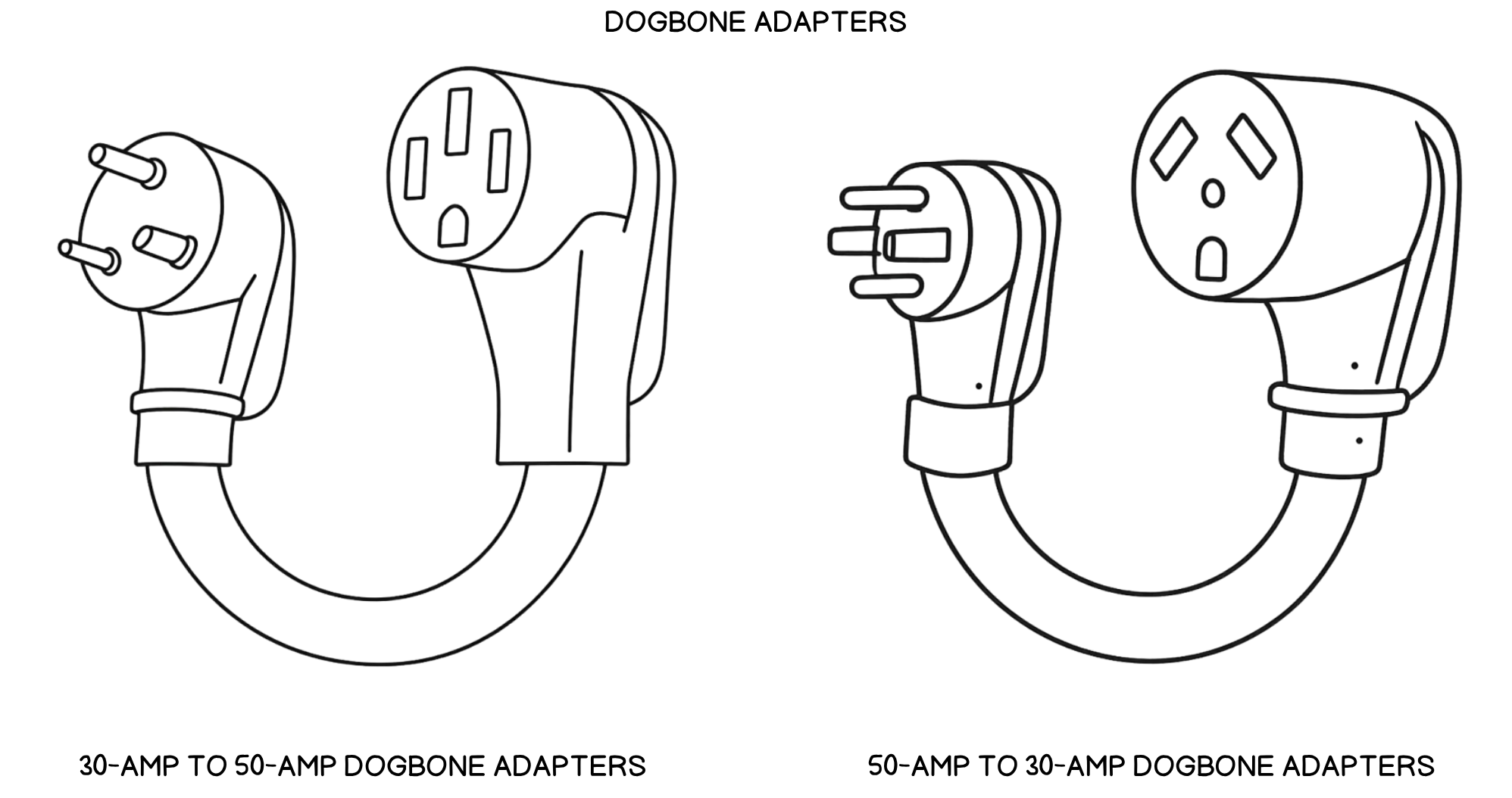
A 30-amp RV can often plug into a 50-amp pedestal with a properly rated dogbone adapter. The RV is still limited to 30 amps.
A 50-amp RV can plug into a 30-amp pedestal with a dogbone adapter, but it will only have 30 amps available. That means you may need to run one air conditioner instead of two and avoid using several high-draw appliances at the same time.
Think of a dogbone adapter as a plug converter, not a power upgrade.
What about the 20-amp outlet?
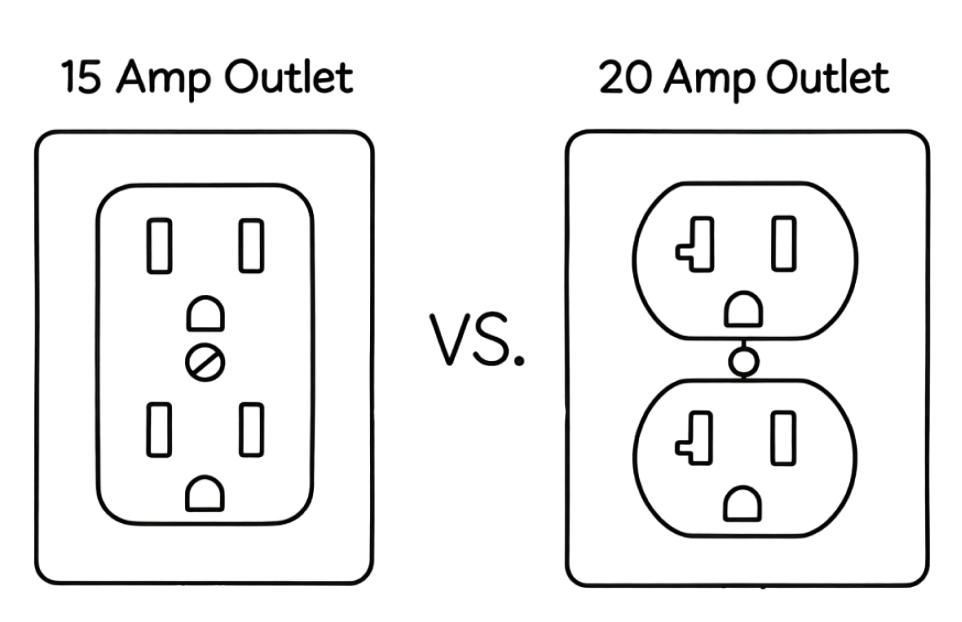
Some campground pedestals also include a standard household-style 20-amp outlet. This can be useful for small accessories, but it is not a replacement for your RV’s proper 30- or 50-amp service.
If your RV is designed for 30 or 50 amps, use the correct hookup whenever possible.
Safe items for a 20-amp plug include:
Standard household appliances, think coffee makers, slow cookers, or phone chargers via heavy-duty extension cords.
Supplemental RV devices, like a separate electric heater or blanket via a dedicated secondary inlet.
Small or vintage pop-up campers and-class B vans using a standard 15-amp or 20-amp plug
Safe Hookup Habits
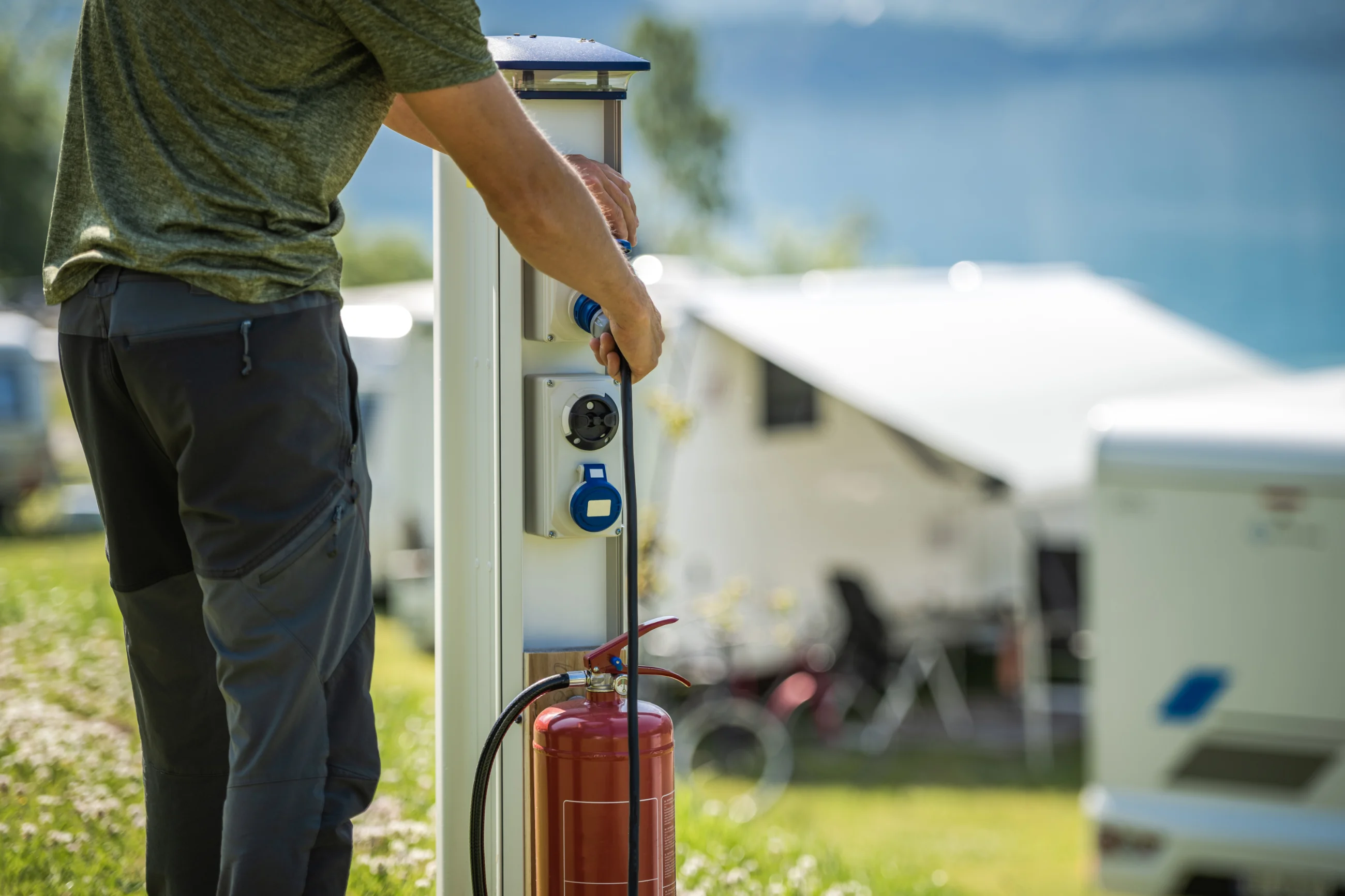
Before connecting or disconnecting your RV power cord, turn the pedestal breaker off. Once the cord is fully plugged in, turn the breaker back on.
Before using the outlet, take a quick look at the pedestal, plug, and cord. Do not use an outlet that looks loose, scorched, melted, cracked, or damaged. If something looks unsafe, stop and contact park staff.
Use RV-rated cords and adapters. Avoid ordinary household extension cords for RV power.
The Wrap Up
What If the Power Goes Out?
If your RV loses power, start with the pedestal breaker. If it has tripped, turn off a few high-draw appliances before resetting it.
Next, check your RV’s internal breaker panel. If the breaker trips again, reduce the electrical load and try again. If the breaker continues to trip after you reduce your power use, contact park staff for help.
The Bottom Line
Choose the hookup your RV is designed to use. A 30-amp RV can be comfortable and easy to manage when you are mindful of high-draw appliances. A 50-amp RV has much more capacity, which is useful for larger rigs and multiple appliances.
Either way, understanding your RV’s power needs makes setup easier, helps prevent tripped breakers, and keeps your camping trip running smoothly.